
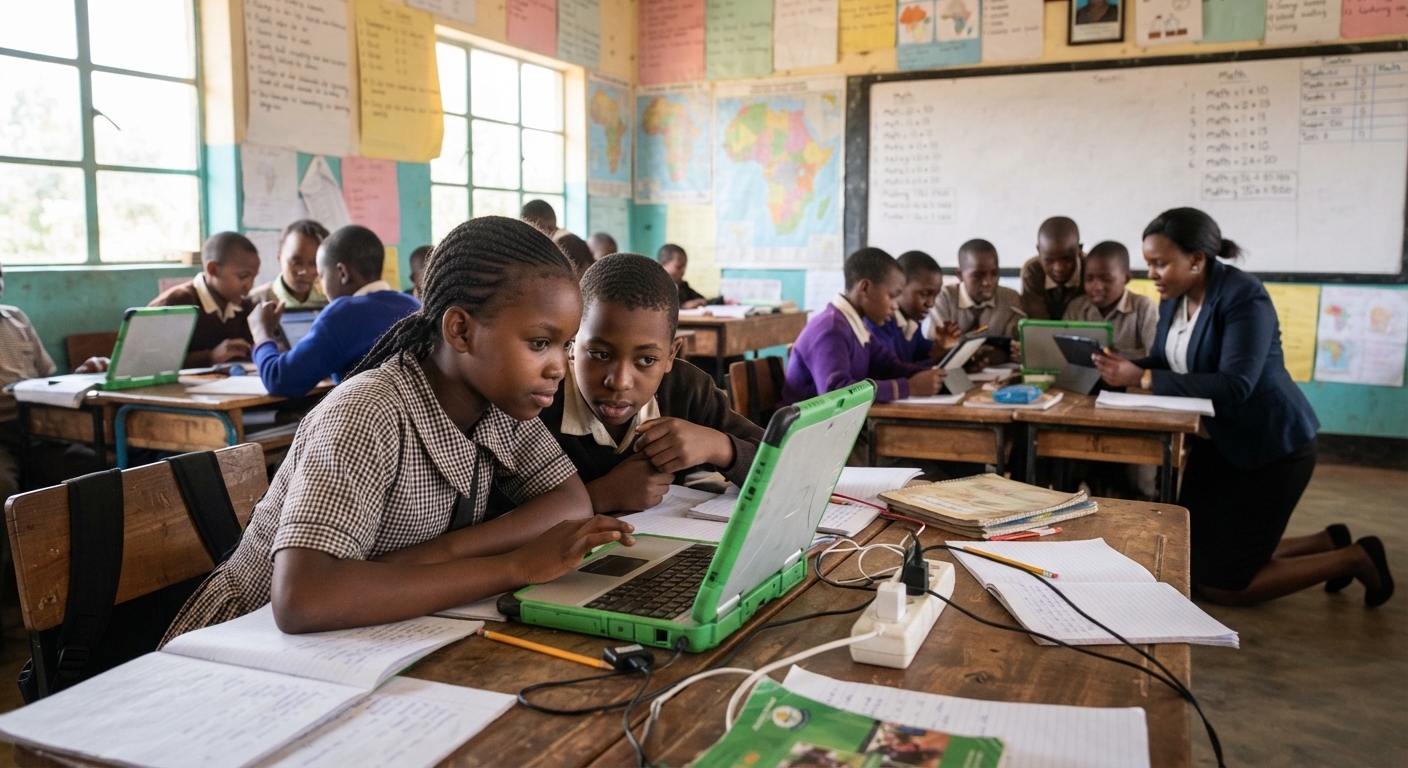
Equity's Echo: UK Education Inquiry Sparks Call to Action for Africa's Learning Infrastructure
A UK inquiry on educational disadvantage offers crucial insights for African educators, funders, and edtech founders building equitable learning systems.
A recent independent inquiry into educational outcomes for white working-class children in the UK might seem geographically distant from the heart of African edtech innovation. Yet, its findings reverberate with universal lessons on educational equity, offering profound insights for educators, funders, and edtech founders dedicated to building Africa's resilient learning infrastructure.
The inquiry, initiated by Star Academies and backed by the UK's Department for Education, spotlighted a stark reality: systemic barriers are creating a generation of young people who feel the education system doesn't guarantee future success. Their first report concluded that once-in-a-generation reforms are necessary to mend a system failing its most vulnerable, calling for a concerted effort "across society" – not just within schools.
Unpacking Systemic Disadvantage
The UK inquiry meticulously analysed data for 1.25 million white British young people receiving free school meals, identifying a growing disillusionment with educational pathways. Key recommendations are expected to emerge from its ongoing phase, which focuses on early years and the critical 14-19 age bracket. The aim is clear: foster stronger primary school foundations and forge clearer, more successful routes from secondary education into employment or further study. This isn't just about school-level interventions; it’s a holistic acknowledgment that societal factors, policy shortcomings, and community engagement are paramount to reversing entrenched disadvantage.
The Africa Angle
While the specific demographics of the UK inquiry differ, the underlying themes of systemic educational disadvantage, the critical role of early years, and the disconnect between schooling and viable career pathways are profoundly relevant to the African continent. Across Africa, millions of learners – often from economically disadvantaged or geographically isolated communities – face similar, if not more acute, barriers to quality education. Issues such as inadequate infrastructure, teacher shortages, curriculum irrelevance, and a lack of access to relevant learning resources exacerbate these challenges.
This UK inquiry serves as a powerful reminder for Africa's edtech ecosystem: true educational transformation requires a multi-pronged approach. For African educators, it underscores the need for context-specific pedagogies that address the diverse learning needs shaped by socioeconomic factors. For edtech founders, it highlights immense opportunities for innovation – from developing accessible early childhood learning platforms to creating AI-driven vocational training tools that bridge skills gaps and connect learners directly to employment opportunities. Funders, too, can draw lessons, prioritising investments in solutions that target systemic inequalities, promote early intervention, and build robust pathways to economic empowerment.
Charting an Equitable Path Forward with Technology
Africa has the unique opportunity to leapfrog traditional educational pitfalls by strategically deploying technology to foster equity. Learning from the UK experience, our continent's edtech innovators can focus on:
- Early Intervention: Developing engaging digital content and platforms for foundational literacy and numeracy, accessible even in low-connectivity environments.
- Personalised Pathways: Leveraging adaptive learning technologies to cater to individual learning paces and styles, ensuring no child is left behind due to a 'one-size-fits-all' system.
- Skills for the Future: Creating robust platforms for vocational training, digital skills acquisition, and mentorship that directly link education to labour market needs, especially for adolescents (14-19).
- Data-Driven Insights: Implementing analytics tools that help identify vulnerable learners early, allowing for targeted support and resource allocation.
- Community and Parental Engagement: Designing solutions that involve families and local communities in the learning journey, mirroring the UK inquiry’s call for “across society” action.
The challenge of educational disadvantage is global, but so is the potential for innovative solutions. By closely examining insights from inquiries like the UK’s, Africa's edtech community can proactively design and scale impactful interventions, ensuring that our continent’s learning infrastructure is truly inclusive and equips every child for success.
Source: BBC Africa: Education

Beyond the Boardroom: Forging Africa's Human-Centric EdTech Backbone
EdTech Africa explores why human-centric connectivity is vital for educators, funders, and founders building Africa's learning infrastructure. Beyond metrics…
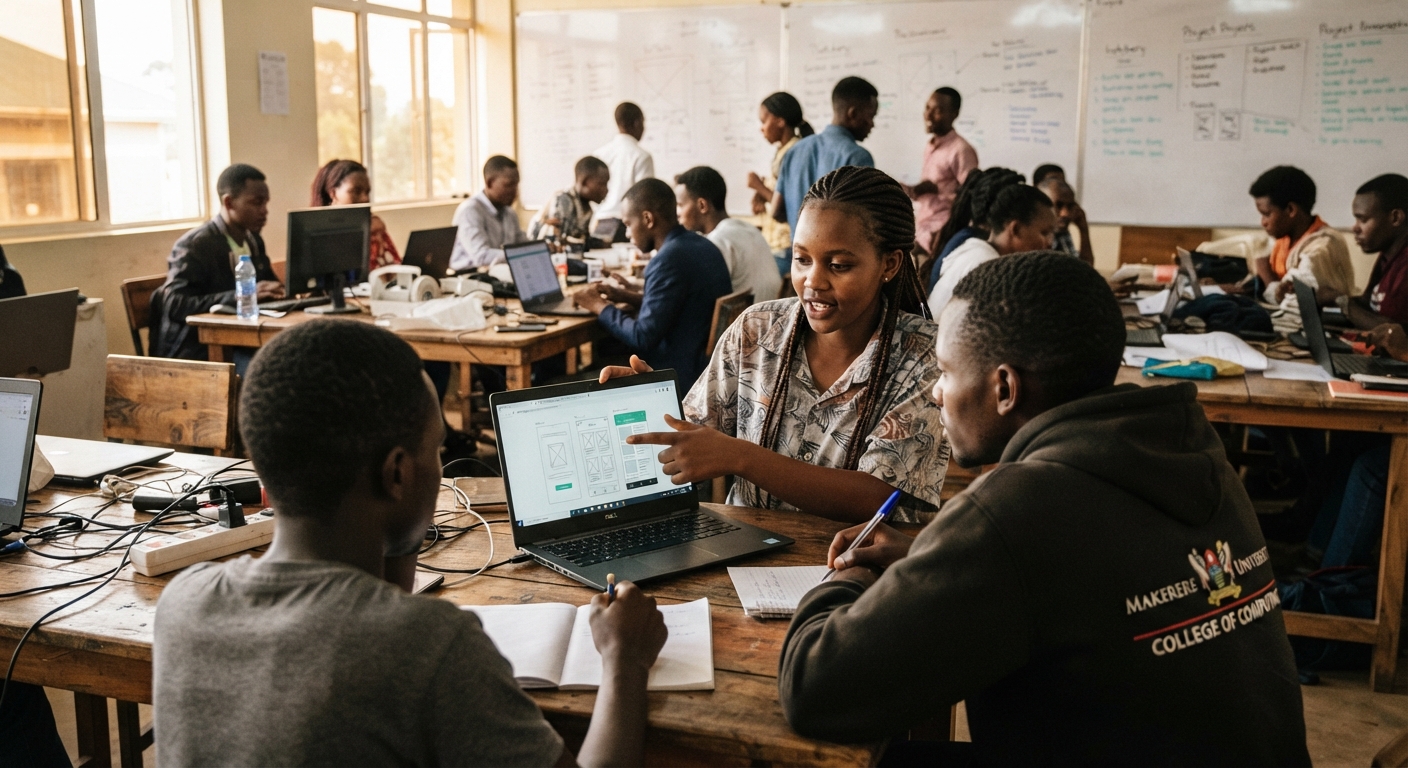
Ugandan University Ignites Entrepreneurial Spark: A Blueprint for Africa's EdTech Future
Gulu University's new entrepreneurship directorate signals a vital shift for African education. Discover its impact on edtech, educators, funders, and founders

AI-Driven Test Reveals Supplier Weakness: A Crucial Cybersecurity Lesson for EdTech Africa
A recent South African ethical hacking incident, where an AI-driven system exposed a major bank's data via a supplier, highlights a critical lesson for EdTech…
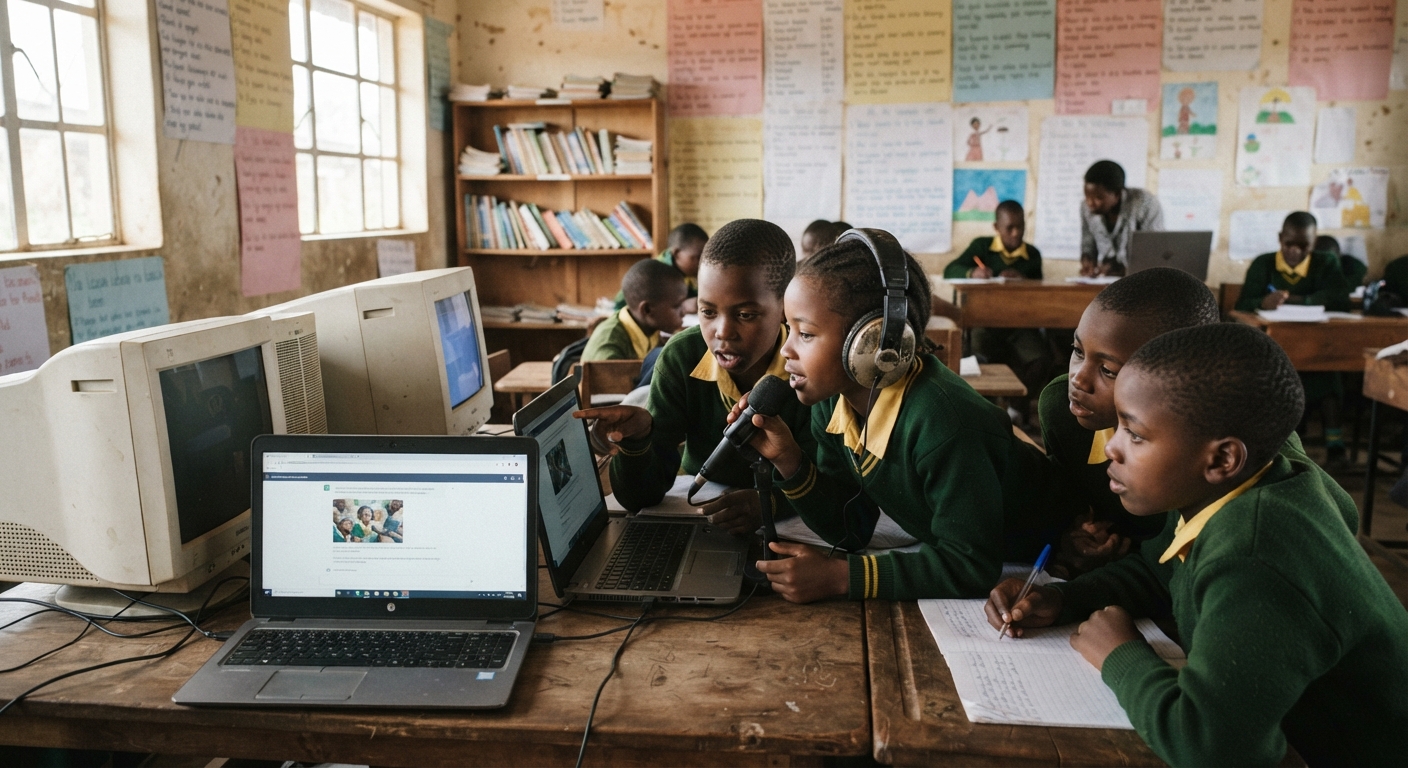
AI Speaks Africa: Multilingual Tutors Redefine Learning in Kenya and South Africa
New AI tutors speaking ten African languages are launching in Kenya and South African schools, ushering in a new era of localized, personalized learning across
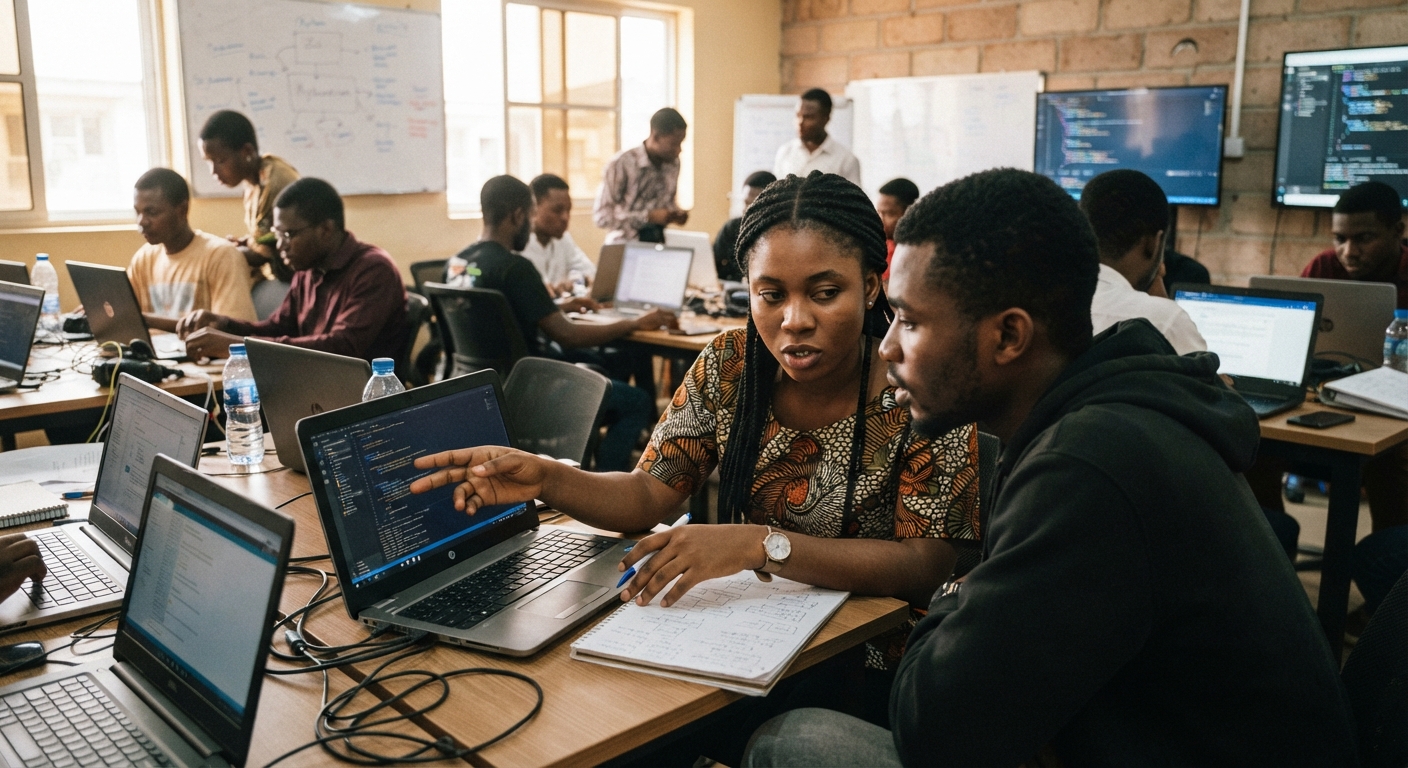
Skills Over Scrolls: Micro-credentials Drive Africa's Tech Talent Revolution
18% of new African tech hires now prefer micro-credentials over traditional degrees. EdTech Africa explores this seismic shift, its impact on education…
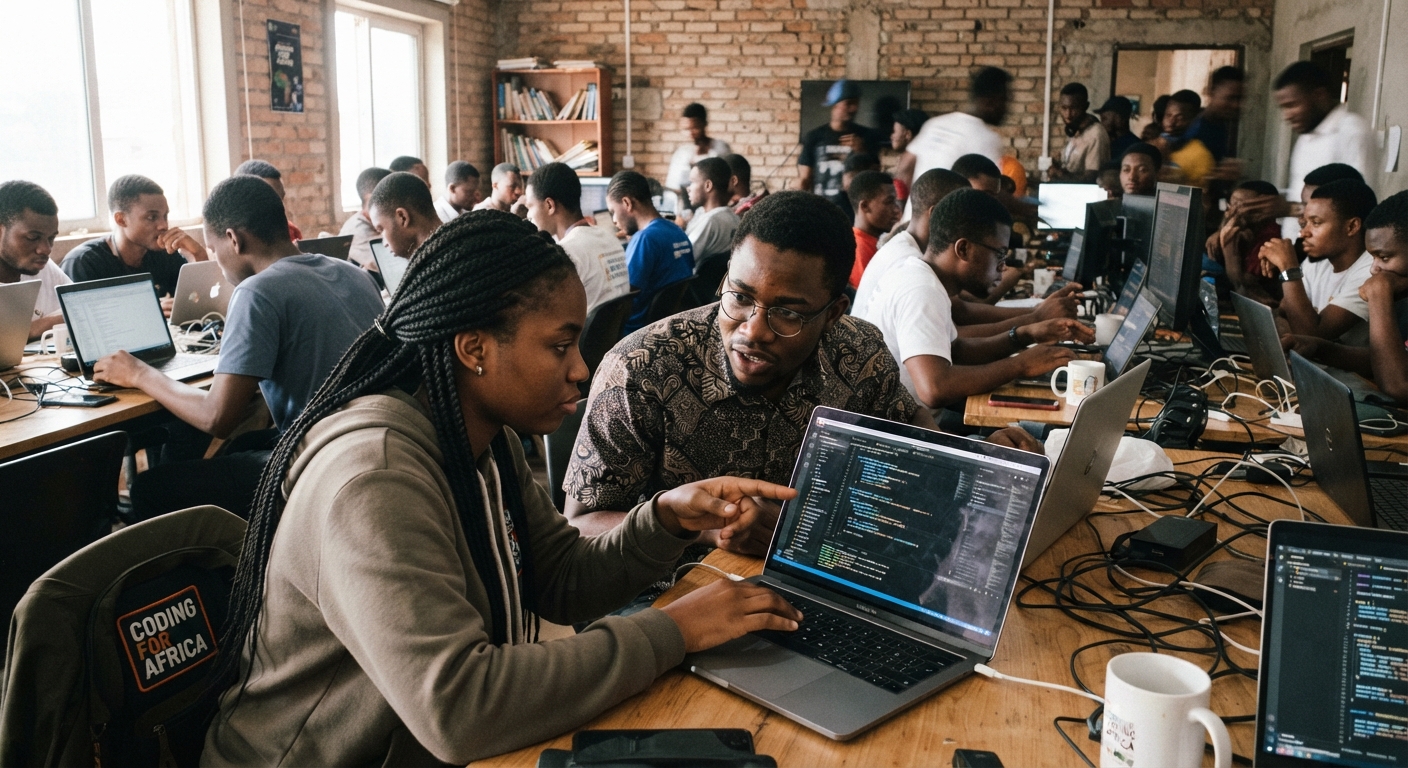
Africa's Code Surge: 120,000 Developers Forge a New Digital Future
African coding academies are set to train 120,000 job-ready developers in 2026, fueling the continent's digital transformation and edtech innovation.