
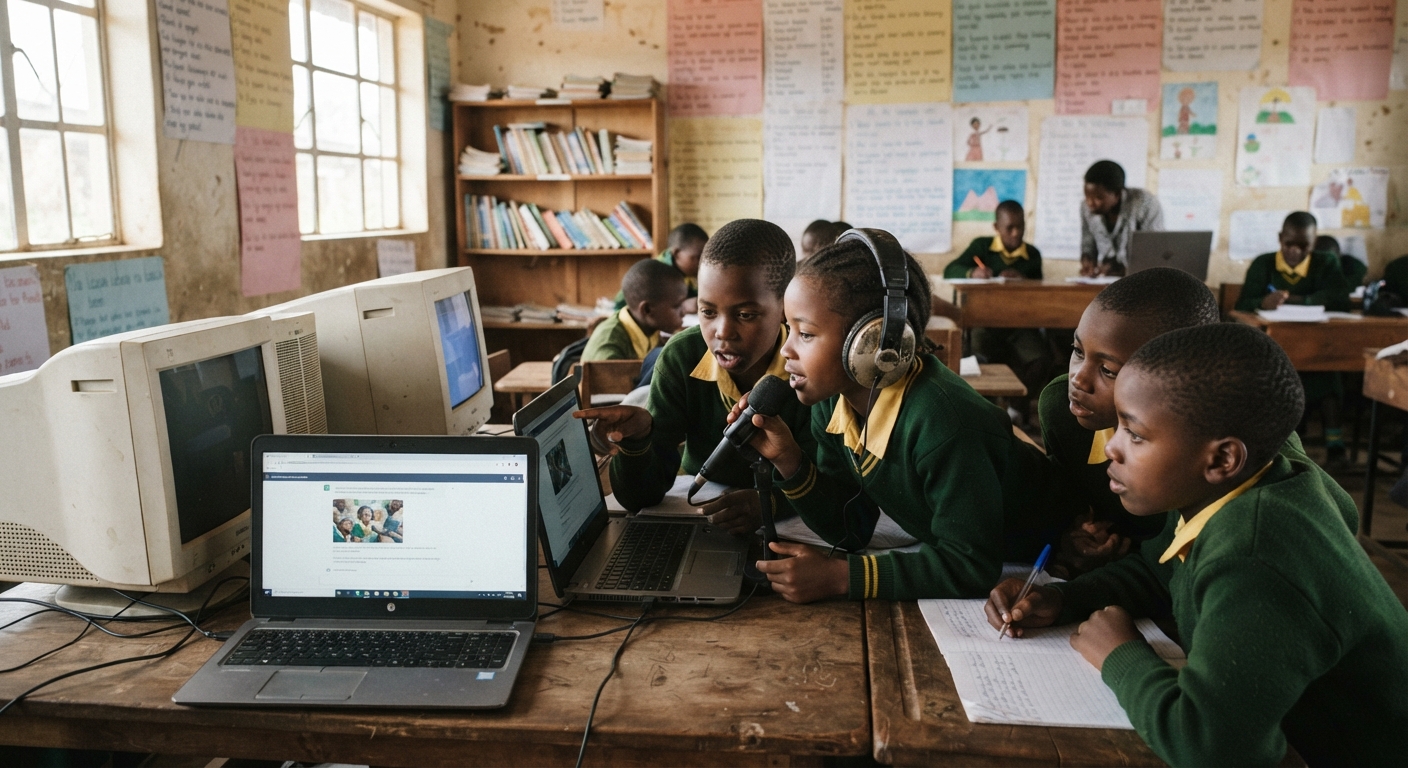
AI Speaks Africa: Multilingual Tutors Redefine Learning in Kenya and South Africa
New AI tutors speaking ten African languages are launching in Kenya and South African schools, ushering in a new era of localized, personalized learning across
A quiet revolution is brewing in classrooms across Kenya and South Africa, poised to fundamentally reshape how millions of African students engage with education. In a landmark development, advanced AI-powered tutors, fluent in ten distinct African languages, have officially launched in schools, marking a pivotal moment for personalized, culturally relevant learning on the continent. This initiative isn't just about integrating technology; it's about making cutting-edge educational tools accessible in the very languages that shape identity and understanding for diverse communities.
The Lingual Leap
For too long, the promise of personalized learning has been limited by language barriers and resource constraints, particularly in regions where diverse mother tongues flourish alongside national languages. This new generation of AI tutors directly addresses this challenge. Developed with deep learning models trained on vast datasets of African linguistic nuances, these digital educators can engage students in their native dialects, offering explanations, answering questions, and providing feedback in a way that resonates profoundly. From isiZulu and Swahili to Setswana and Kikuyu, the launch represents a significant stride in linguistic inclusivity, offering individualised support that complements, rather than replaces, human teachers. The goal is to bridge learning gaps, bolster foundational skills, and empower students to grasp complex concepts in their most comfortable cognitive space.On the Ground: Early Impact & Potential
Initial reports from pilot schools in both nations are overwhelmingly positive. Educators note a marked increase in student engagement and comprehension, particularly for those who previously struggled with instruction solely in English or other dominant languages. The AI tutors serve as tireless teaching assistants, freeing up human teachers to focus on higher-order thinking, critical discussion, and socio-emotional development. For students, the anonymity of interacting with an AI can foster a safer space to ask "basic" questions without fear of judgment, encouraging deeper exploration of subjects. This technology is not merely a translation tool; it's a contextual learning companion designed to adapt to individual learning paces and styles, ensuring no child is left behind due to language or learning speed.The Local Angle
This development holds immense significance for EdTech Africa's diverse audience:- For Educators: These AI tutors represent a powerful ally in the classroom. They offer a scalable solution to address teacher-student ratios, facilitate differentiated instruction, and ensure foundational literacy and numeracy are strengthened in local languages, directly impacting learning outcomes.
- For Funders: This initiative showcases a ripe opportunity for investment in localized edtech solutions. The success in Kenya and South Africa provides a compelling blueprint for scaling similar projects across other African nations, driving impact while fostering economic growth in the digital education sector. Investments in content creation, infrastructure, and teacher training around these tools are critical.
- For EdTech Founders: This is a call to action and an inspiration. It demonstrates the profound market potential for culturally and linguistically relevant technology. It underscores the need for local innovation, development, and adaptation of AI, machine learning, and natural language processing to address Africa's unique educational challenges, rather than simply importing global solutions.
This launch is more than a technological breakthrough; it's a testament to the power of tailored innovation to democratize education and unlock human potential across Africa. The journey has just begun, but the path towards a truly inclusive and effective learning infrastructure is now clearer.
Source: EdTech News

Beyond the Boardroom: Forging Africa's Human-Centric EdTech Backbone
EdTech Africa explores why human-centric connectivity is vital for educators, funders, and founders building Africa's learning infrastructure. Beyond metrics…
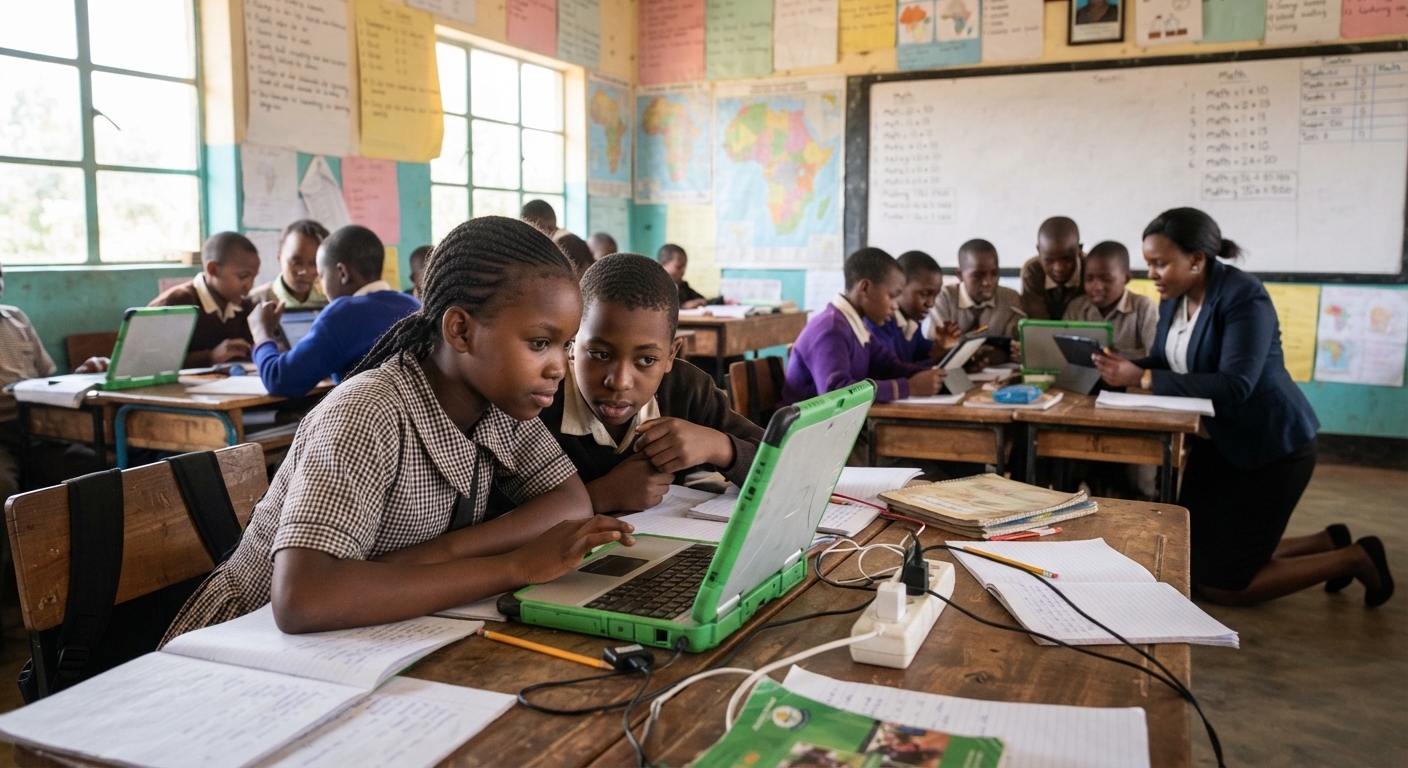
Equity's Echo: UK Education Inquiry Sparks Call to Action for Africa's Learning Infrastructure
A UK inquiry on educational disadvantage offers crucial insights for African educators, funders, and edtech founders building equitable learning systems.
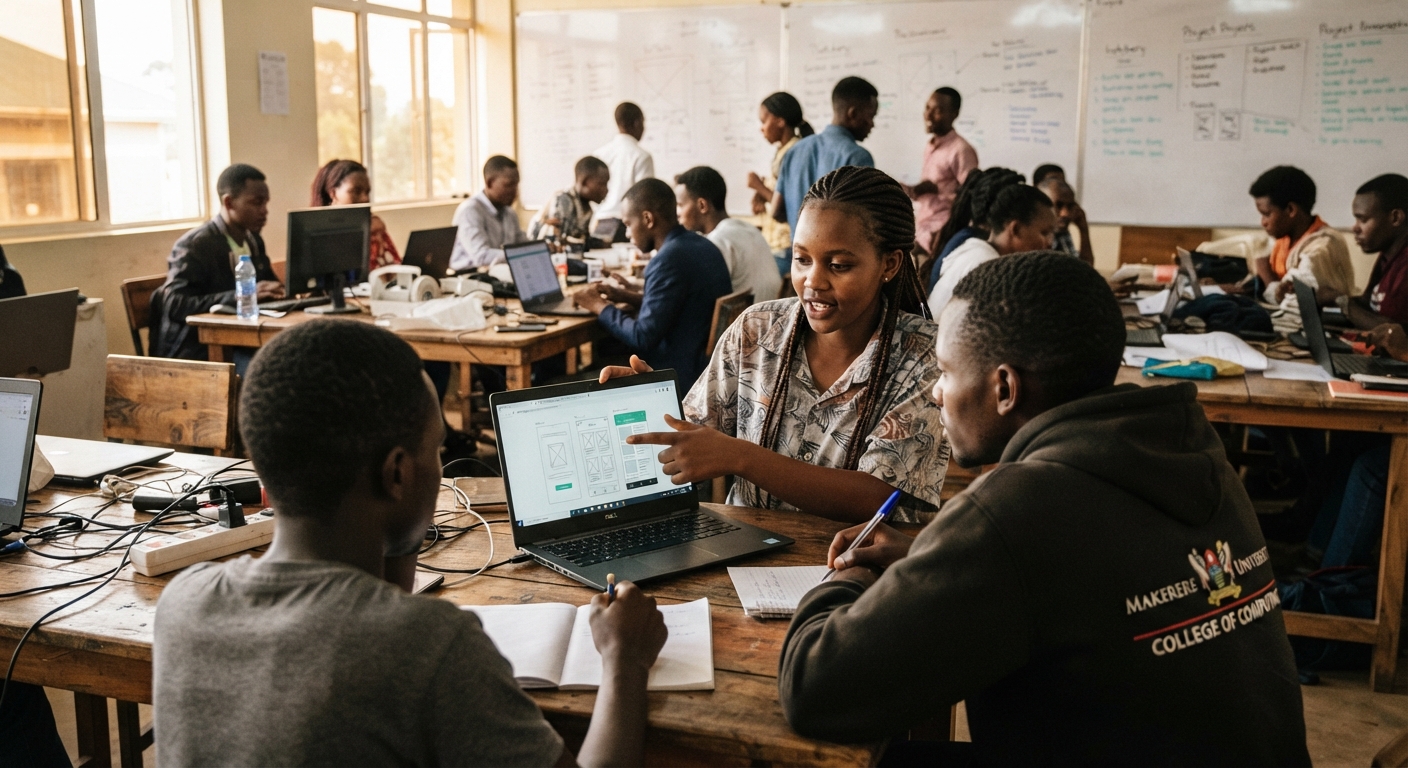
Ugandan University Ignites Entrepreneurial Spark: A Blueprint for Africa's EdTech Future
Gulu University's new entrepreneurship directorate signals a vital shift for African education. Discover its impact on edtech, educators, funders, and founders

AI-Driven Test Reveals Supplier Weakness: A Crucial Cybersecurity Lesson for EdTech Africa
A recent South African ethical hacking incident, where an AI-driven system exposed a major bank's data via a supplier, highlights a critical lesson for EdTech…
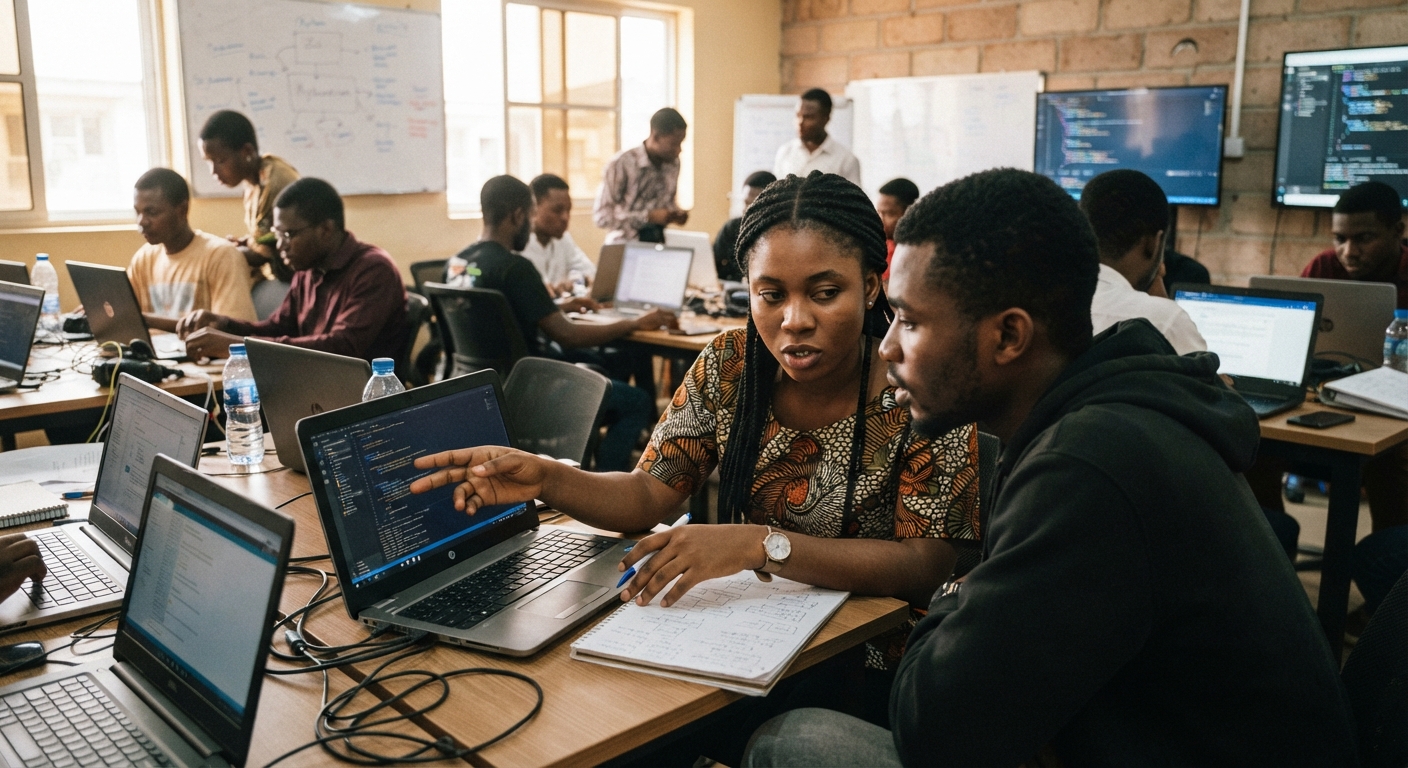
Skills Over Scrolls: Micro-credentials Drive Africa's Tech Talent Revolution
18% of new African tech hires now prefer micro-credentials over traditional degrees. EdTech Africa explores this seismic shift, its impact on education…
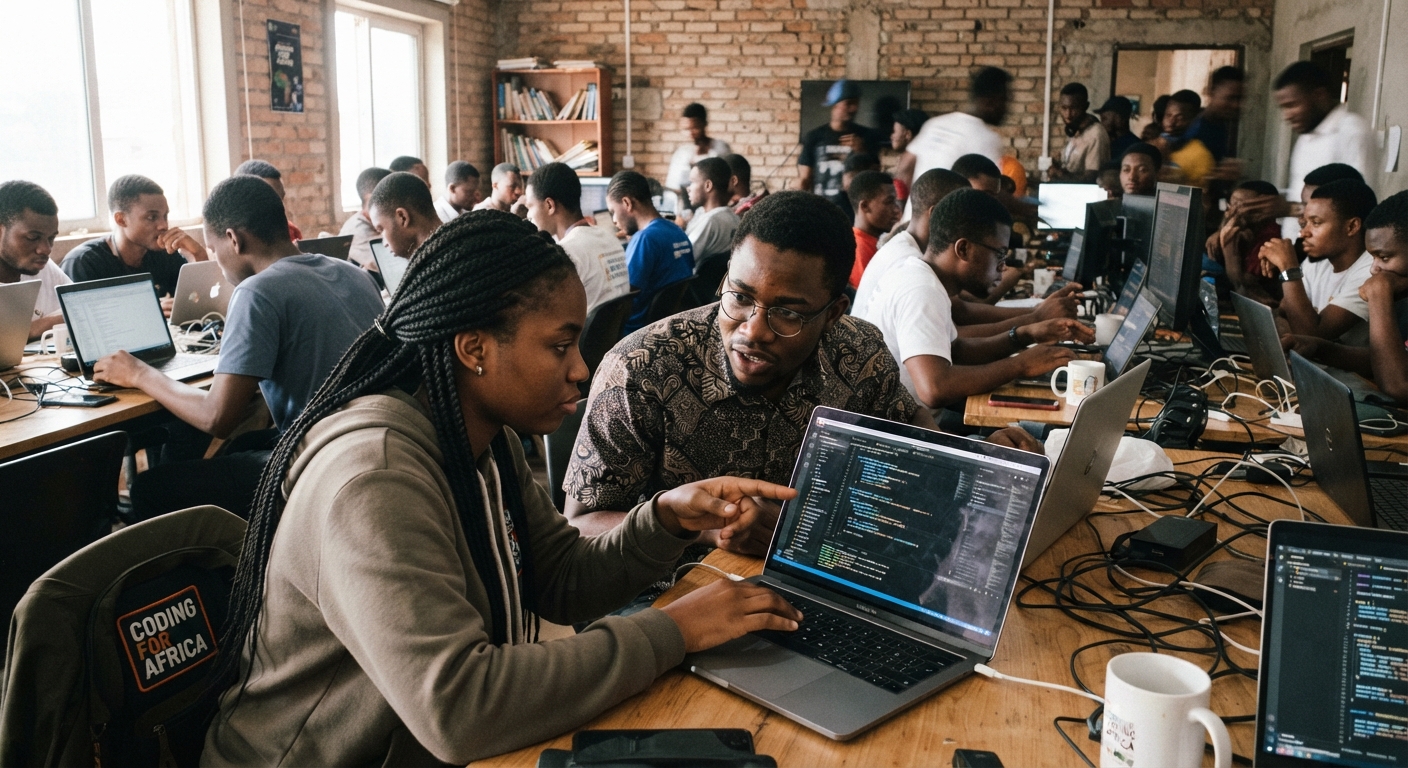
Africa's Code Surge: 120,000 Developers Forge a New Digital Future
African coding academies are set to train 120,000 job-ready developers in 2026, fueling the continent's digital transformation and edtech innovation.