

Beyond the Boardroom: Forging Africa's Human-Centric EdTech Backbone
EdTech Africa explores why human-centric connectivity is vital for educators, funders, and founders building Africa's learning infrastructure. Beyond metrics…
Africa's vibrant EdTech landscape promises to revolutionise learning, bridging gaps and empowering millions. Yet, behind the impressive growth statistics and innovative platforms, a critical chasm persists: meaningful, equitable connectivity. For too long, the discourse around internet access has been dominated by technical percentages and corporate uptime guarantees, masking the lived reality of countless educators, learners, and edtech innovators across the continent.
The Connectivity Mirage: Beyond Boardroom Metrics
Walk into any tech boardroom, and you’ll hear comforting figures: 99.9% uptime, speeds exceeding 100Mbit/s. These metrics paint a picture of robust infrastructure. However, for a child in an informal settlement with no fibre line, or a teacher in a rural school reliant on expensive, capped cellular data, these numbers are a mirage. The stark truth is that while parts of Africa boast world-class infrastructure, the majority remain priced out or, more bluntly, locked out of the digital learning revolution.
This isn't just about physical access; it's about affordability and relevance. Focusing solely on national penetration rates ignores the profound disparity between those who can afford consistent, high-speed data and those for whom a few gigabytes must stretch an entire month. For EdTech Africa's audience—educators striving to deliver digital content, founders building transformative tools, and funders seeking impactful investments—this disconnect is the single greatest barrier to scale and equity.
Cultivating Resilience: Building a People-First EdTech Workforce
The challenge extends beyond the end-user to the very teams building and maintaining Africa’s learning infrastructure. A fixation on impressive CVs and theoretical knowledge often overlooks the critical need for human resilience and practical problem-solving. The EdTech sector requires more than just skilled developers; it needs solution architects who understand local realities, technicians capable of maintaining systems despite load shedding or theft, and community trainers who can bridge digital literacy gaps.
Companies often poach existing talent at premium rates, yet struggle with teams unable to adapt to the unique, often challenging, conditions on the ground. True technical excellence in Africa is not just about certifications; it’s about grit, adaptability, and the ability to innovate under pressure. Investing in training and fostering a workforce with these qualities is paramount for building sustainable EdTech solutions that truly serve the continent.
The Africa Angle: Innovating for Inclusive Learning
For educators, funders, and edtech founders targeting Africa, embracing a human-centric approach to connectivity isn't just an ideal—it's an imperative for success and impact. Africa's unique context—vast geographical diversity, a burgeoning youth population, and diverse socio-economic landscapes—demands a departure from conventional connectivity models. This means:
- Prioritising affordability: Exploring innovative models like zero-rated data for educational apps, community Wi-Fi initiatives, and low-cost device schemes to make learning accessible.
- Designing for resilience: Developing platforms and content that function effectively on low bandwidth, intermittent power, and affordable devices.
- Empowering local talent: Investing in training and supporting a workforce equipped to build, deploy, and maintain EdTech solutions in challenging environments.
- Focusing on outcomes: Shifting the measure of success from connectivity percentages to tangible educational outcomes achieved by previously underserved learners.
This shift unlocks unprecedented opportunities. It allows funders to invest in truly transformative, sustainable projects, empowers educators to reach every learner, and enables founders to build scalable solutions that address real-world needs, fostering a generation of digitally literate Africans.
Source: TechCentral: Education
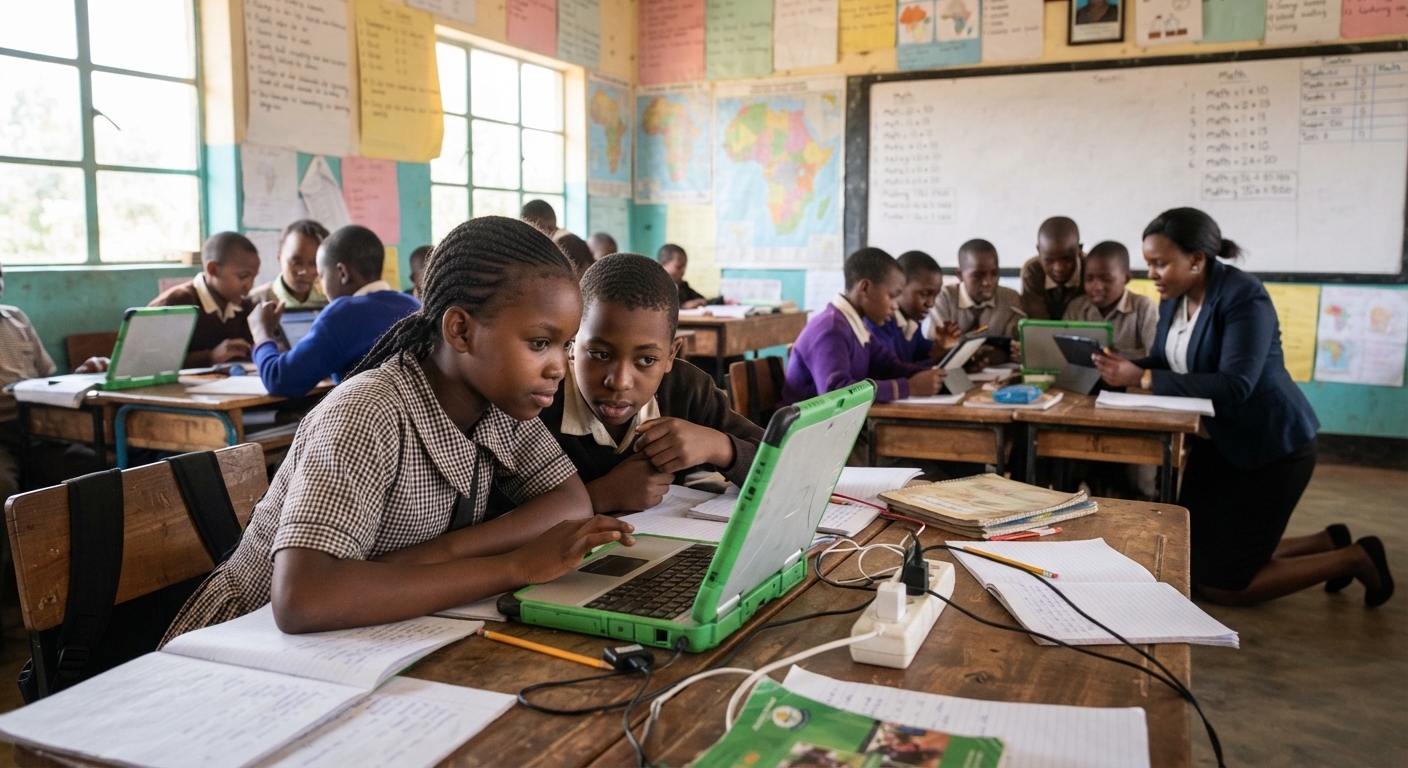
Equity's Echo: UK Education Inquiry Sparks Call to Action for Africa's Learning Infrastructure
A UK inquiry on educational disadvantage offers crucial insights for African educators, funders, and edtech founders building equitable learning systems.
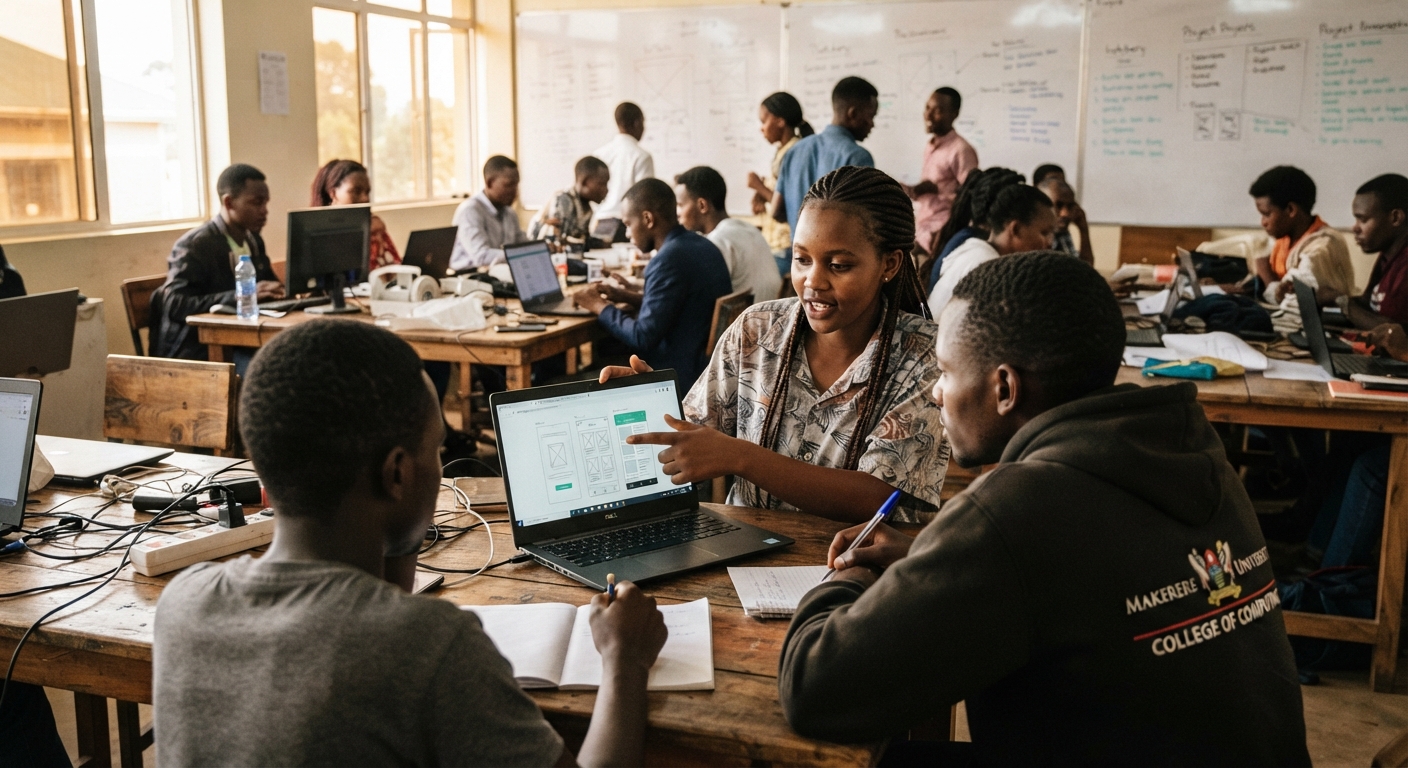
Ugandan University Ignites Entrepreneurial Spark: A Blueprint for Africa's EdTech Future
Gulu University's new entrepreneurship directorate signals a vital shift for African education. Discover its impact on edtech, educators, funders, and founders

AI-Driven Test Reveals Supplier Weakness: A Crucial Cybersecurity Lesson for EdTech Africa
A recent South African ethical hacking incident, where an AI-driven system exposed a major bank's data via a supplier, highlights a critical lesson for EdTech…
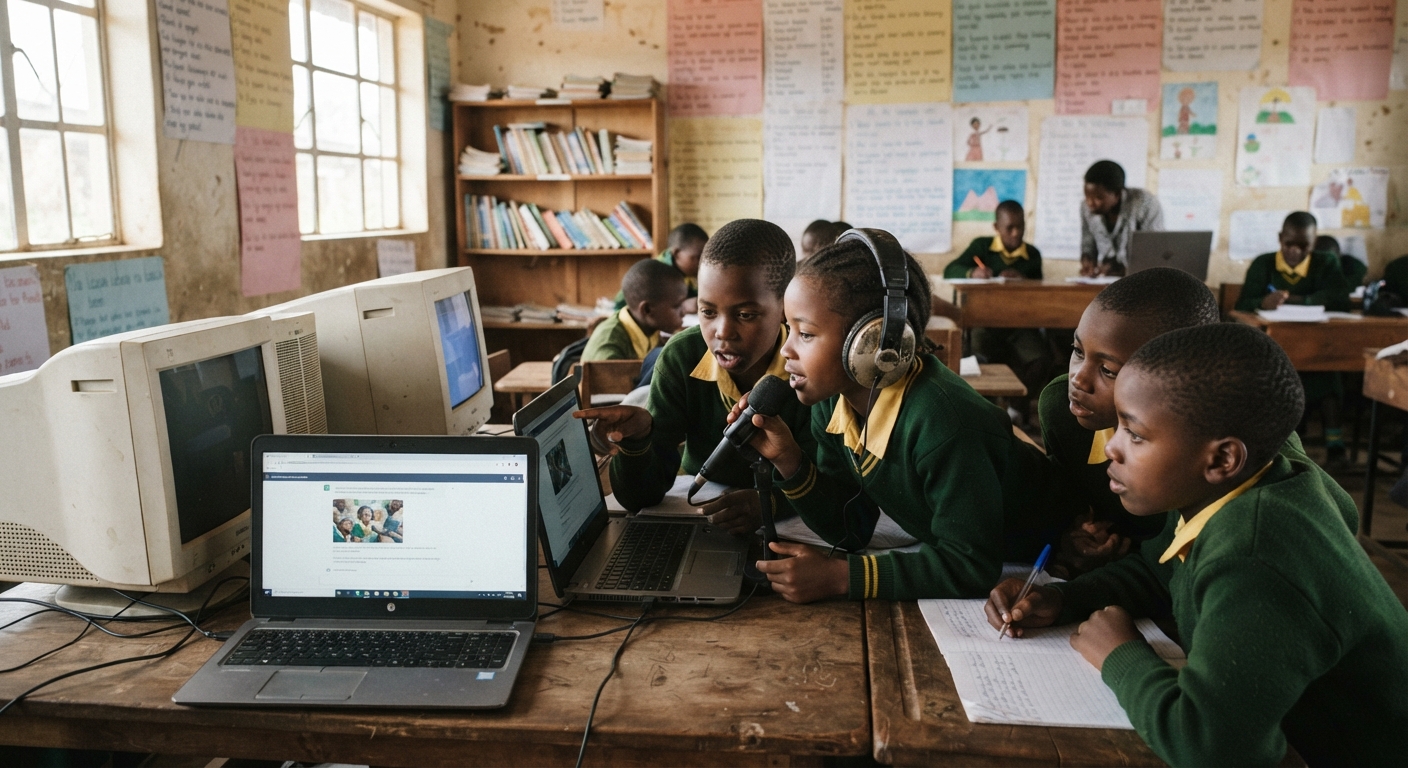
AI Speaks Africa: Multilingual Tutors Redefine Learning in Kenya and South Africa
New AI tutors speaking ten African languages are launching in Kenya and South African schools, ushering in a new era of localized, personalized learning across
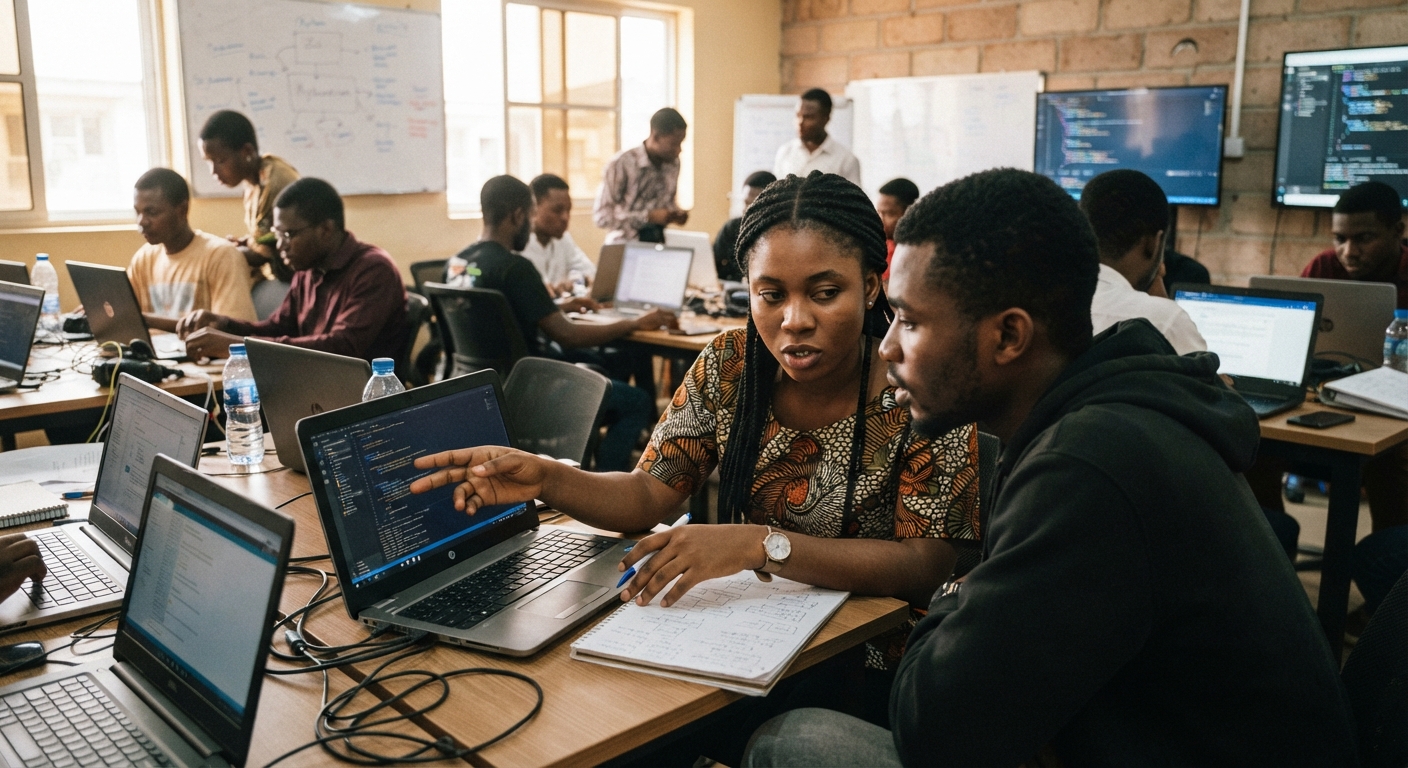
Skills Over Scrolls: Micro-credentials Drive Africa's Tech Talent Revolution
18% of new African tech hires now prefer micro-credentials over traditional degrees. EdTech Africa explores this seismic shift, its impact on education…
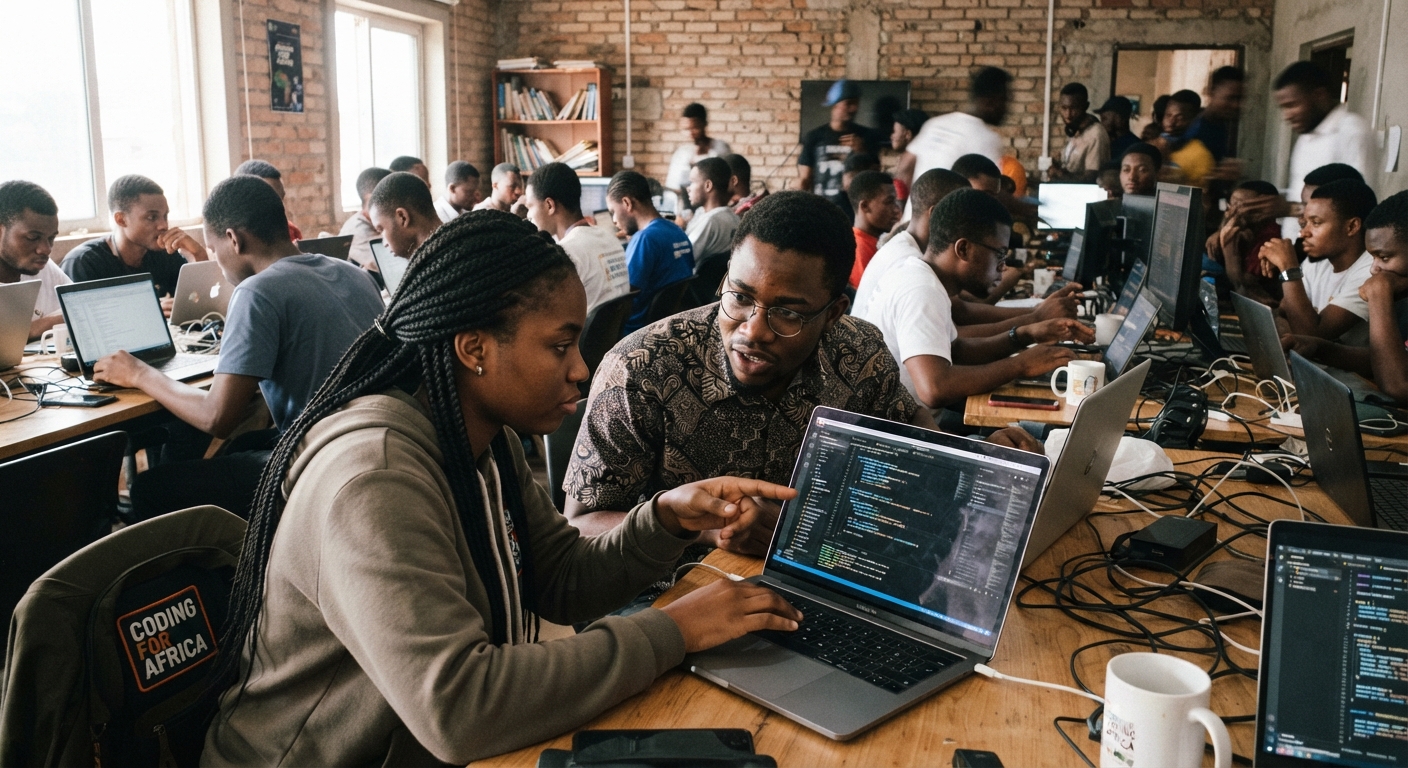
Africa's Code Surge: 120,000 Developers Forge a New Digital Future
African coding academies are set to train 120,000 job-ready developers in 2026, fueling the continent's digital transformation and edtech innovation.